The 2026 rainy season across the Sahel and sub-Saharan Africa ended 2-3 weeks earlier than the long-term average. Cumulative rainfall (June-October) was 15-20% below normal in Cameroon, Nigeria, and Chad. This has immediate consequences for livestock farmers entering the November-March dry season.
What the data shows
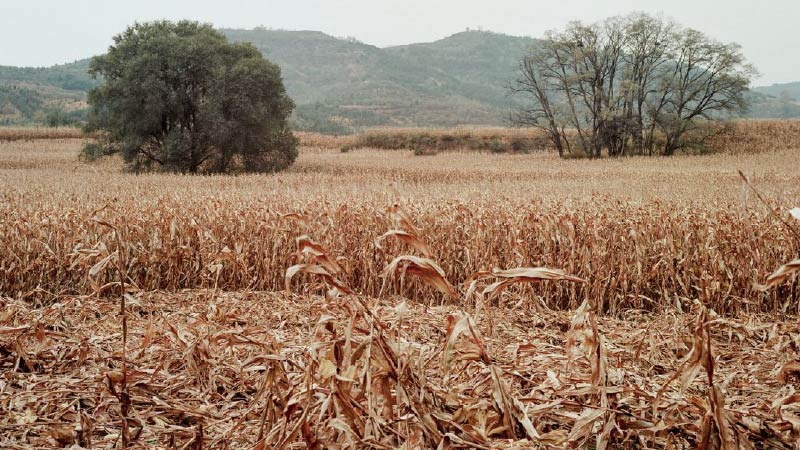
- Early cessation: Rain stopped by mid-October in most of the Sahel, compared to the normal early-November end. Natural pasture is already drying up.
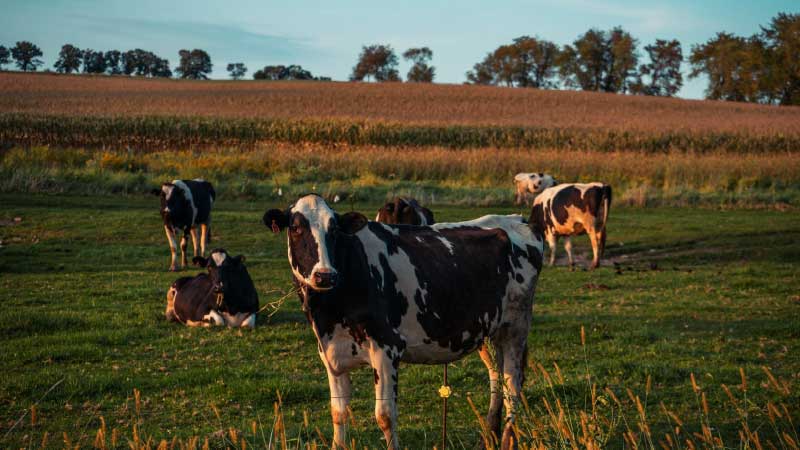
- Below-average pasture: Natural grazing land has 20-30% less biomass than average. Animals that depend on open grazing will need supplemental feed earlier and in larger quantities.
- Water points: Many seasonal water points (ponds, streams) are already dry or will be dry by December. Animals will need to travel further for water, or you need to provide it.
What livestock farmers should do now
- Stockpile feed NOW: Feed prices are currently at their seasonal low. By January, they will be 20-30% higher. If you have storage, buy 3-4 months of feed now. This is the single most profitable decision you can make this season.
- Reduce stocking density: If you are raising pigs or poultry on purchased feed, the dry season does not affect you as directly — but feed prices will rise. Consider selling mature animals now at current prices rather than feeding them through January at higher cost.
- Plan water supply: If your animals depend on seasonal water sources, identify and prepare alternative sources now (boreholes, purchased water tanks). Do not wait until December when everyone is scrambling.
- Monitor body condition: Animals losing condition during the dry season are more susceptible to disease. Weigh or body-condition-score your animals monthly.
FarmWise tracks your feed inventory and consumption rate, so you can see exactly when you need to restock and how much to buy. It also tracks body condition scores per animal, alerting you when an animal drops below the healthy threshold so you can intervene before it is too late.
Sources & References
- [1] ACMAD (African Centre of Meteorological Applications for Development) seasonal outlook, November 2026. Source: ACMAD
FarmWise tracks all of this automatically for your farm.
Start free