As of November 2026, H5N1 highly pathogenic avian influenza (HPAI) remains endemic in wild bird populations across the West African flyway. Nigeria reported 14 confirmed outbreaks in commercial poultry between January and October 2026, with Cameroon and Ghana each reporting 3-5 incidents. The virus is most active during the post-rainy season (October-February) when wild bird migration peaks.
Current risk level
The risk to commercial poultry in Cameroon, Nigeria, and surrounding countries is rated HIGH by national veterinary services. Backyard and free-range flocks are at greatest risk due to contact with wild waterfowl.
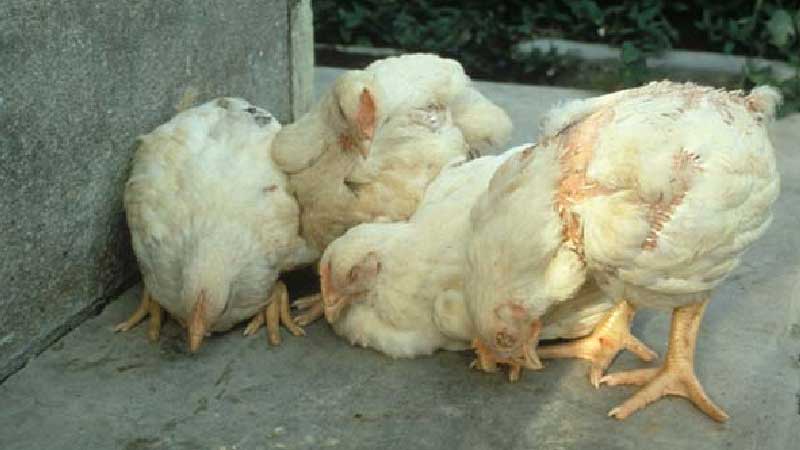
Symptoms to watch for
- Sudden death without prior symptoms (often the first sign)
- Drop in egg production (50-90% drop in 2-3 days)
- Swollen, blue combs and wattles
- Respiratory distress: coughing, sneezing, nasal discharge
- Depression, ruffled feathers, reluctance to move
- Diarrhea, often greenish
If you see any of these signs, do NOT sell or move birds. Contact your nearest veterinary service immediately. H5N1 is a notifiable disease — reporting is mandatory.
Biosecurity checklist
- Restrict access: Only essential personnel enter the poultry house. Visitors must disinfect footwear and change clothes.
- Footbath: Place a disinfectant footbath (virucidal: glutaraldehyde or Virkon S at 1%) at every entrance. Refresh daily.
- Keep wild birds out: Seal all openings larger than 2cm. Remove any standing water near the house that attracts wild waterfowl.
- Clean water source
- Separate age groups: Do not mix birds of different ages. The virus spreads rapidly through a naive flock.
- Monitor mortality daily: Normal mortality is 0.1%/day. Anything above 0.3% warrants investigation.
FarmWise tracks daily mortality per batch and automatically alerts you when you cross the warning threshold (0.3% daily) or critical threshold (0.5% daily). During an H5N1 outbreak period, this early warning system can give you 24-48 hours head start on containment measures before the virus decimates your entire flock.
Sources & References
- [1] WOAH (World Organisation for Animal Health) H5N1 situation report, October 2026. Source: WOAH Avian Influenza
- [2] FAO EMPRES-i (Global Animal Disease Information System), H5N1 outbreak data 2026. Source: FAO EMPRES-i
FarmWise tracks all of this automatically for your farm.
Start free