
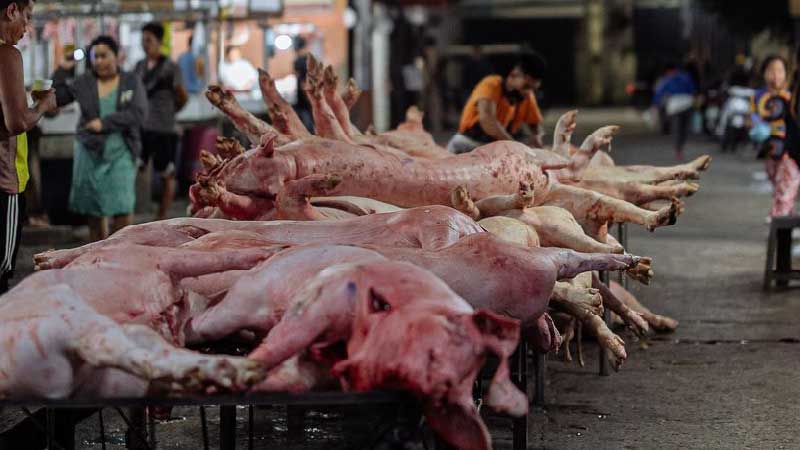
The EU Farm-to-Fork strategy, adopted in full in 2026, sets the strictest agricultural import standards in the world. For African farmers exporting poultry, pork, or feed crops to Europe, the rules are now harder — but they also create an opportunity for producers who can meet the bar.
Key changes affecting African exporters
- 50% reduction in pesticide use: Products with residue levels above 0.01 mg/kg (previously 0.05 mg/kg) are rejected at the border. This affects virtually all conventionally-grown feed grains.
- Antibiotic reduction: Antibiotic use in livestock must be reduced by 50% compared to 2018 levels. Products from animals treated with antibiotics used as growth promoters are banned entirely.
- Animal welfare standards
- Traceability: Full farm-to-fork traceability is mandatory. Every batch of imported meat or eggs must have documented origin, feed source, and health treatment history.
What this means for you
If you currently export (or plan to export) to the EU, you need to start documenting everything — now. Not just the final product, but the entire production chain: where your feed came from, what treatments were applied, animal welfare conditions, and health records.
The farmers who will win the EU market are not the largest — they are the most documented. A small farm with complete records can export to the EU; a large farm without documentation cannot.
This is exactly what FarmWise was built for. Every animal you register, every task you complete, every treatment you log creates an auditable record. When the EU inspector asks "show me the feed source and health history for this batch," you export the report from FarmWise — not a pile of hand-written notebooks with gaps and corrections.
Sources & References
- [1] EU Farm-to-Fork Strategy, full implementation 2026. Source: EU Farm to Fork
FarmWise tracks all of this automatically for your farm.
Start free