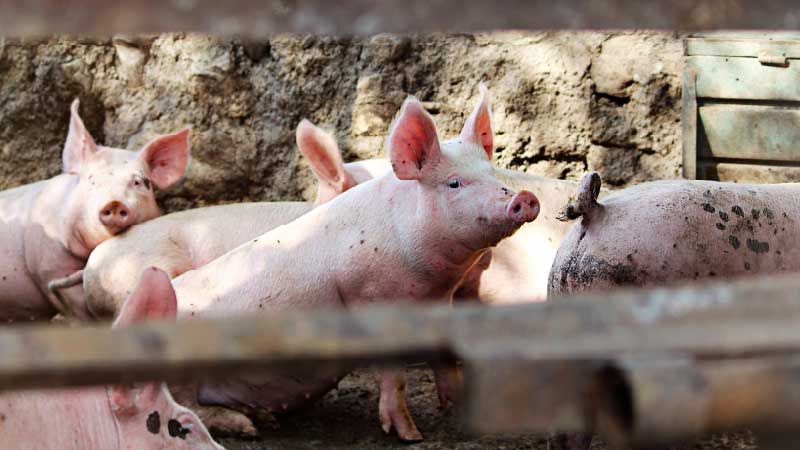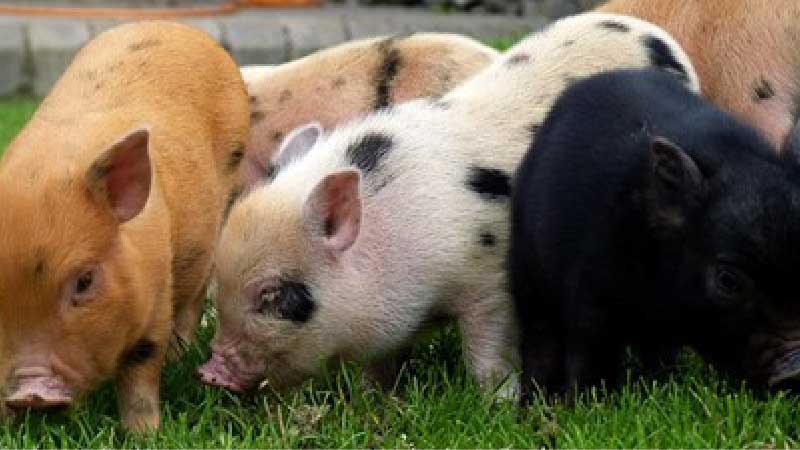
"Please this 2 days old piglet is breathing fast. What might be the cause and remedy?" This message appears in pig farming WhatsApp groups at least once per week. The farmer is anxious, the piglet is in distress, and the clock is ticking — a 2-day-old piglet with rapid breathing has a 50% mortality risk if the cause is not addressed within 6 hours [1].
The good news: in 70% of cases, the cause is hypothermia (cold stress), and the treatment is free — you just need to warm the piglet. The bad news: many farmers do not recognize hypothermia as the cause and instead reach for antibiotics that will not help, wasting the critical 6-hour window. This article covers the 5 causes of neonatal rapid breathing, how to tell them apart, and the exact 24-hour action plan.
Why neonatal piglets breathe fast
Rapid breathing (tachypnea) in a 2-day-old piglet is NOT a disease — it is a symptom. The piglet's body is in distress and is trying to compensate. The 5 most common causes are:
- Hypothermia (cold stress) — 70% of cases
- Pneumonia (bacterial or viral) — 15% of cases
- Hypoglycemia (low blood sugar) — 8% of cases
- Septicemia (blood infection) — 5% of cases
- Congenital heart defect — 2% of cases
Notice that pneumonia — the cause most farmers immediately suspect — is only 15% of cases. The #1 cause by far is hypothermia. This is why reaching for antibiotics first is usually wrong.
Cause 1: Hypothermia (cold stress) — the silent killer
Why it happens: Piglets are born wet, with almost no body fat, and cannot regulate their own body temperature for the first 3 days. They need an ambient temperature of 33-35°C (91-95°F) in their first 3 days of life, dropping to 28-30°C by week 2. If the creep area (their sleeping corner) is below 30°C, the piglet becomes cold-stressed [2][3].
The mechanism: When a piglet gets cold, its body tries to generate heat by increasing its metabolic rate. The fastest way to do this is to breathe faster — more oxygen in = more metabolism = more heat. So rapid breathing is actually the piglet's attempt to warm itself up. The piglet also shivers, curls up, and tries to huddle under the sow or with littermates.
How to identify: The piglet feels cold to the touch (especially ears, legs, and snout). It is shivering or huddled. The creep area temperature (measured at piglet level) is below 30°C. The breathing is rapid but not labored (no wheezing, no coughing). Rectal temperature is below 38°C (normal is 38.5-39.5°C).
The WHO defines hypothermia in newborns as: [2]
- Mild (cold stress): 36.0-36.5°C (96.8-97.7°F) — the piglet is still active but breathing fast
- Moderate: 32-36°C (89.6-96.8°F) — the piglet is lethargic, weak suckle reflex
- Severe: below 32°C (89.6°F) — the piglet is comatose, no suckle reflex, imminent death
What to do: WARM THE PIGLET. This is free and is the treatment for 70% of cases. (a) Move the piglet to a warm area (heat lamp, 33-35°C); (b) dry the piglet thoroughly with a clean towel if it is wet; (c) place the piglet under a 150-watt infrared heat lamp, 50cm above the floor, in the creep area; (d) if the piglet's rectal temperature is below 35°C, warm it gradually over 1-2 hours (too fast warming can cause shock); (e) once the piglet is warm (38°C+), give it 5-10ml of warm (38°C) glucose solution (1 teaspoon sugar in 50ml warm water) orally to restore blood sugar; (f) return the piglet to the sow once it is warm and active. Most piglets recover within 2-4 hours of warming.
Cause 2: Pneumonia (bacterial or viral)
Why it happens: Bacterial pneumonia (Pasteurella, Streptococcus, Haemophilus) or viral pneumonia (PRRS, swine influenza) can affect piglets as young as 2-3 days, especially if the sow is a carrier or the environment is dusty, ammonia-laden, or poorly ventilated. The piglet's lungs become inflamed and filled with fluid, making it hard to breathe — so the piglet breathes faster to compensate.
How to identify: The piglet is breathing fast AND labored — you see abdominal effort (the belly moves dramatically with each breath), you hear wheezing or crackling sounds, the piglet may cough or sneeze. There may be a nasal discharge. The piglet is NOT cold to the touch (temperature is normal or elevated). Other piglets in the litter may also be affected.
What to do: Antibiotics are needed. (a) Inject enrofloxacin 2.5mg per kg body weight IM, once daily for 3-5 days (enrofloxacin is the antibiotic of choice for neonatal pneumonia); (b) support with vitamin C + electrolytes in drinking water; (c) improve ventilation in the farrowing pen (reduce ammonia, increase air exchange); (d) treat ALL affected piglets, not just the worst one. If multiple piglets in the litter have pneumonia, the sow may be a carrier — discuss with your vet whether to treat her as well.
Cause 3: Hypoglycemia (low blood sugar)
Why it happens: A 2-day-old piglet has almost no energy reserves. If it has not nursed enough (because the sow has no milk, the piglet is weak, or there is too much competition at the teat), its blood sugar drops dangerously low. The brain needs glucose — without it, the piglet becomes weak, lethargic, and may convulse. Rapid breathing is a late sign.
How to identify: The piglet is weak, cannot stand, has a weak or absent suckle reflex. It may be shivering (but not cold). It may have convulsions or paddle its legs. The piglet has not been seen nursing, or the sow's udder is empty.
What to do: IMMEDIATE glucose. (a) Give 5-10ml of warm 5% glucose solution (1 teaspoon sugar in 100ml warm water) orally via syringe or stomach tube; (b) repeat every 2 hours until the piglet is strong enough to nurse; (c) address the underlying cause — if the sow has no milk, see our article on "When oxytocin fails"; if the piglet is too weak to compete, separate it and feed it colostrum replacer every 4 hours; (d) keep the piglet warm (hypoglycemic piglets often also have hypothermia). Without treatment, hypoglycemic piglets die within 4-12 hours.
Cause 4: Septicemia (blood infection)
Why it happens: Bacteria (E. coli, Streptococcus, Salmonella) enter the piglet's bloodstream, usually through the navel (uncleaned umbilical cord) or through ingestion of contaminated material. The infection spreads through the body, causing fever, lethargy, and rapid breathing as the body tries to fight the infection.
How to identify: The piglet is lethargic, has a fever (rectal temperature >39.5°C), may have swollen joints (septic arthritis), may have diarrhea. The navel may be red, swollen, or wet (omphalitis). Multiple piglets in the litter may be affected.
What to do: (a) Inject enrofloxacin 2.5mg/kg IM once daily for 5 days (or trimethoprim-sulfa, 30mg/kg IM once daily); (b) treat the navel with iodine (7% povidone iodine) — dip or spray; (c) give fluids (lactated Ringer's solution, 10-20ml subcutaneously) if the piglet is dehydrated; (d) improve hygiene in the farrowing pen — disinfect the floor, change the bedding, ensure the sow's udder is clean. Septicemia has a 30-50% mortality even with treatment, so prevention (navel dipping at birth, clean farrowing pen) is critical.
Cause 5: Congenital heart defect
Why it happens: Rarely (about 2% of piglets), a piglet is born with a heart defect — a hole in the heart (ventricular septal defect), a narrowed valve, or an abnormal blood vessel. The heart cannot pump blood efficiently, the piglet's tissues do not get enough oxygen, and the piglet breathes faster to compensate.
How to identify: The piglet has been breathing fast since birth (not a sudden onset). It is smaller than littermates, tires easily, may have a bluish tint to the gums or skin (cyanosis). You may hear a heart murmur if you listen with a stethoscope. The piglet does not respond to warming, glucose, or antibiotics.
What to do: There is no practical treatment for congenital heart defects in piglets. The piglet will likely die within 2-4 weeks, or remain stunted. Cull the piglet humanely — it will not be productive and will consume resources that could go to healthy piglets. If multiple piglets in the same litter have heart defects, the boar or sow may carry a genetic defect — consider culling the parents.
The 24-hour action plan
When you find a 2-day-old piglet breathing fast, do NOT immediately reach for antibiotics. Follow this sequence:
Step 1 (0-15 minutes): Diagnose the cause
- Feel the piglet's ears, legs, and snout. Cold? → hypothermia (most likely)
- Take rectal temperature. Below 38°C? → hypothermia. Above 39.5°C? → infection (pneumonia or septicemia). Normal (38.5-39.5°C)? → hypoglycemia or heart defect.
- Check the creep area temperature. Below 30°C? → hypothermia is the cause.
- Observe the breathing. Labored (belly effort, wheezing)? → pneumonia. Rapid but not labored? → hypothermia or hypoglycemia.
- Check the suckle reflex. Weak or absent? → hypoglycemia.
- Check the navel. Red, swollen, wet? → septicemia.
- Check the litter. Multiple piglets affected? → environmental cause (cold) or infection.
Step 2 (15-60 minutes): Treat the most likely cause
- Hypothermia: warm the piglet (heat lamp, towel, gradual warming). Free.
- Hypoglycemia: give 5-10ml warm glucose solution orally. Costs ~50 FCFA.
- Pneumonia: inject enrofloxacin 2.5mg/kg IM. Costs ~200-300 FCFA.
- Septicemia: inject enrofloxacin + treat navel with iodine. Costs ~300-500 FCFA.
- Heart defect: no treatment. Cull if the piglet is suffering.
Step 3 (1-6 hours): Monitor + supportive care
- Keep the piglet warm (33-35°C) regardless of the cause — sick piglets cannot regulate their temperature.
- Continue glucose supplementation every 2 hours if the piglet is not nursing.
- Watch for improvement: warmer skin, stronger suckle, more active movement, slower breathing.
- If no improvement after 6 hours of correct treatment, the diagnosis may be wrong — reconsider the cause or call a vet.
Step 4 (6-24 hours): Decision point
- If the piglet is improving: continue treatment, return to sow when strong enough to nurse.
- If the piglet is stable but not improving: continue supportive care for another 12 hours.
- If the piglet is worsening: the diagnosis was wrong or the condition is too advanced. Consider culling if the piglet is suffering and unlikely to recover.
- If multiple piglets are affected: address the environmental cause (warm the creep area, improve ventilation, treat the sow if she has mastitis).
Prevention: the 5 things that stop this before it starts
- Heat lamp in the creep area: 150-watt infrared, 50cm above the floor, 33-35°C for the first 3 days. This single intervention prevents 70% of neonatal rapid breathing cases. Cost: 15,000-25,000 FCFA (~$25-42 USD) for the lamp + electricity.
- Dry piglets at birth: Use a clean towel to dry each piglet within 5 minutes of birth. Wet piglets lose heat 25x faster than dry piglets.
- Ensure colostrum intake: Every piglet must nurse within 30 minutes of birth. If the sow has no milk, feed colostrum replacer.
- Dip the navel in iodine: At birth, dip the umbilical cord in 7% iodine solution. Prevents bacterial entry and septicemia. Cost: ~10 FCFA per piglet.
- Clean farrowing pen: Wash and disinfect the pen with iodine before the sow enters. Remove soiled bedding daily. Ammonia buildup causes respiratory disease.
FarmWise's auto-generated piglet health timeline includes a heat lamp check on day 1, navel dipping at birth, and colostrum verification — all as tasks with reminders. When a farrowing event is logged, the SOS wizard asks about piglet warmth, nursing, and breathing — and if rapid breathing is reported, it walks the farmer through the 5-cause diagnostic above.
Sources & References
- [1] Merck Manuals: Transient Tachypnea of the Newborn — temporary rapid breathing that begins after birth and typically resolves in 2-3 days. Source: merckmanuals.com
- [2] WHO (World Health Organization): Thermal protection of the newborn — hypothermia defined as core temperature below 36.5°C; cold stress at 36.0-36.5°C. Source: who.int
- [3] PMC (PubMed Central): Modeling neonatal piglet rectal temperature — hypothermia is one of the major causes of preweaning mortality in piglets. Source: pmc.ncbi.nlm.nih.gov
FarmWise tracks all of this automatically for your farm.
Start free