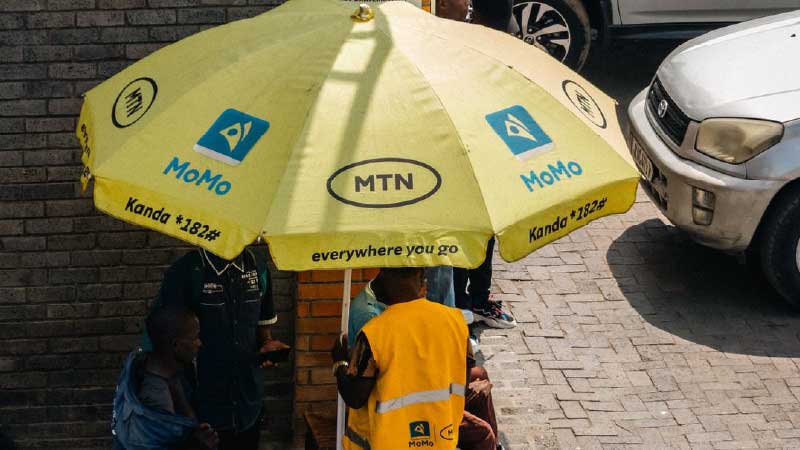
Mobile money — MTN MoMo, Orange Money, Wave, Moov Money — has transformed how African farmers do business. It is fast, convenient, and has brought millions of unbanked farmers into the formal economy. But it has also created a new attack surface for fraudsters who specifically target farmers, knowing they may be less familiar with digital security.
This article covers the 8 most common mobile money scams targeting African farmers, how each one works, and the one simple rule that prevents 90% of them.
Scam 1: The fake confirmation SMS
How it works: The buyer sends you a text message that looks exactly like an MTN/Orange confirmation: "You have received 50,000 FCFA from [name]. Balance: 125,000 FCFA." But the message is fake — it was typed manually, not sent by the mobile money system. The buyer takes your animals and leaves. You check your balance later: nothing arrived.
How to spot it: Real mobile money confirmations come from the official short code (e.g., MoMo: 8XXX, Orange: 7XXX), not from a regular phone number. Check the sender. If in doubt, dial the USSD balance check (*126# for MTN, #150# for Orange) and verify your balance before releasing goods.
Scam 2: The "overpayment" refund
How it works: The buyer sends you 100,000 FCFA for a 50,000 FCFA purchase, then calls: "Oh, I made a mistake! I sent too much. Can you send back the 50,000 difference via mobile money?" You send 50,000 back. Later you discover the original 100,000 transfer was reversed or was from a stolen account. You have lost both the goods AND 50,000 FCFA.
How to spot it: Never send money back to a buyer. If they overpaid, tell them to contact their mobile money operator to reverse the transaction. If the original payment is legitimate, the operator will handle it. If it is fraudulent, you have not lost anything.
Scam 3: The "agent" who helps you withdraw
How it works: You are at a rural market with no mobile money agent nearby. A friendly stranger offers to "help you withdraw" — they say they will send you the money via mobile money and you give them the cash, minus a small commission. They send a fake confirmation SMS (see Scam 1), collect your cash, and disappear.
How to spot it: Only withdraw money from registered mobile money agents with official signage. Never hand cash to a stranger in exchange for a "mobile money transfer" — the transfer should happen first, you should verify your balance via USSD, and only then hand over the cash.
Scam 4: The PIN phishing call
How it works: Someone calls claiming to be from MTN/Orange customer service: "There is a problem with your account. We need to verify your PIN to fix it." If you give them your PIN, they immediately transfer all your money to their account.
How to spot it: MTN, Orange, and NO legitimate mobile money operator will EVER ask for your PIN. Not by phone, not by SMS, not in person. Your PIN is like a toothbrush — never share it with anyone. Hang up immediately.
Scam 5: The "promotion" or "grant" SMS
How it works: You receive an SMS: "Congratulations! You have been selected for a government agricultural grant of 500,000 FCFA. Send 20,000 FCFA processing fee to claim." You send 20,000 FCFA. The grant does not exist. You never hear from them again.
How to spot it: Government grants, subsidies, and agricultural programs do NOT require you to pay a fee to receive them. If you have to pay to receive money, it is a scam. Real grants are announced through official government channels (Ministry of Agriculture, local council), not random SMS messages.
Scam 6: The SIM swap
How it works: The fraudster obtains your personal information (name, phone number, ID details — often from social media or a stolen database). They go to a mobile money agent with a fake ID and register a new SIM card with your number. Your phone loses signal. They reset your mobile money PIN and drain your account. By the time you realize your phone has no network, your money is gone.
How to spot it: If your phone suddenly loses signal in an area where you normally have good reception, immediately borrow a phone and call your mobile money operator to block your account. Enable SIM PIN on your phone. Never share your national ID number or personal details on social media.
Scam 7: The "buy and sell" middleman
How it works: A "middleman" contacts you: "I have a buyer who wants 100 broilers at 5,000 FCFA each. You provide the birds, I will handle delivery and payment. Just send me 50 birds now and I will send you the money tonight." You send the birds. The middleman sells them at the market and disappears with the cash.
How to spot it: Never release goods to a middleman without full payment upfront. A legitimate middleman (broker) takes a commission AFTER the sale is complete, not before. If they cannot pay upfront, they do not have a buyer — they ARE the buyer, trying to get your birds on credit.
Scam 8: The fake input supplier
How it works: An advertisement on Facebook or WhatsApp offers feed, vaccines, or chicks at 40% below market price. You send mobile money payment. The goods never arrive. The phone number is disconnected. The Facebook profile disappears.
How to spot it: If a deal is too good to be true, it is. Legitimate feed suppliers have physical shops, business registrations, and consistent pricing. Verify any new supplier by: (a) visiting their physical location, (b) checking reviews from other farmers, (c) starting with a small test order (pay on delivery for the first purchase), and (d) never sending large payments via mobile money to someone you have never met in person.
The one rule that prevents 90% of mobile money fraud
NEVER release goods until you have verified the payment via USSD (*126# for MTN, #150# for Orange).
Not a screenshot (can be faked). Not an SMS confirmation (can be spoofed). Not a verbal confirmation ("I just sent it, trust me"). Dial the USSD code yourself, see the balance on your own screen, and only then hand over the goods. This one habit prevents Scams 1, 2, 3, 7, and 8 — that is 5 out of 8 scams.
The remaining 3 scams (PIN phishing, fake grants, SIM swap) are prevented by: (a) never sharing your PIN with anyone, (b) never paying fees to receive money, and (c) enabling SIM security and being cautious with personal information online.
FarmWise logs every sale with the mobile money transaction reference, so you have a permanent record of who paid, when, and for what. If a dispute arises, the transaction log resolves it instantly.
FarmWise tracks all of this automatically for your farm.
Start free